Stain Removal in Everyday Life: Effective Methods, Smart Prevention, and Lasting Results
Understanding Stain Removal in Daily Routines
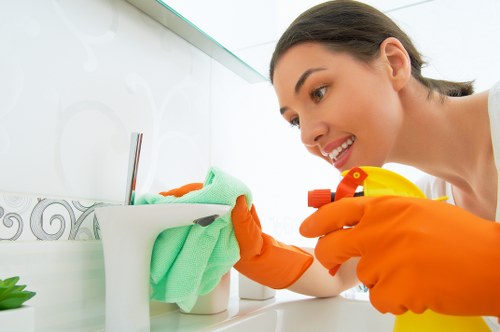
Stain removal in homes, workplaces, and shared spaces is one of those everyday needs that everyone encounters sooner or later. Whether you are dealing with a coffee spill on a shirt, ink on a desk, grease on a kitchen towel, or wine on a carpet, the goal is the same: remove the mark quickly, safely, and without damaging the surface.
The best stain removal in practice starts with understanding the stain itself. Not all stains behave the same way, and using the wrong method can make the problem worse. Some stains are water-based, some are oil-based, and others, such as dye or protein stains, require very specific treatment. This is why successful stain removal in clothing, upholstery, and fabrics often depends on fast action and the right products.
For anyone searching for stain removal in solutions that actually work, the key is consistency. A reliable process helps protect fabrics, saves money, and reduces waste. Instead of tossing stained items too quickly, learning the basics of stain removal in a structured way can restore garments, furniture, and surfaces you thought were ruined.
Why Stain Removal in Homes Requires a Smart Approach
Many people assume that stronger cleaning means better cleaning, but stain removal in delicate materials proves the opposite. Aggressive scrubbing, harsh chemicals, or excessive heat can set a stain deeper or weaken the fibers. The safest stain removal in most situations begins with gentle methods and moves toward stronger options only when needed.
Every material responds differently. Cotton may tolerate more vigorous treatment, while silk, wool, leather, and some synthetic fabrics demand extra care. Even hard surfaces can react poorly to certain cleaners. That is why stain removal in a home environment should always consider the surface first, then the stain type, and finally the cleaning product.
Another important factor is time. Fresh stains are usually easier to handle than old, dried ones. In stain removal in fast-paced households, a quick response can make all the difference. Blotting, rinsing, and choosing the right pre-treatment can prevent permanent discoloration and extend the life of your fabrics and furnishings.
Common Types of Stains and How They Behave

When it comes to stain removal in real-world settings, identifying the stain type is one of the smartest first steps. Here are the most common categories:
- Water-based stains such as juice, tea, soda, and many sauces
- Oil-based stains such as grease, butter, cosmetics, and salad dressing
- Protein stains such as blood, milk, eggs, and sweat
- Dye stains such as ink, marker, and colored beverages
- Organic stains such as mud, grass, and food residue
Each category needs a slightly different method. For example, protein stains often respond best to cold water because heat can cause them to bond with fabric fibers. Oil stains usually need absorbent materials or degreasing agents before regular washing. Ink stains may require alcohol-based treatment, while mud should be allowed to dry before brushing away excess.
This is why stain removal in any setting benefits from knowing what caused the mark. The more accurately you identify the stain, the more likely you are to remove it cleanly and preserve the surface underneath.
Practical Stain Removal in Clothing
Stain removal in clothing is one of the most common cleaning concerns, and it is often where people make the biggest mistakes. The first rule is simple: do not rub aggressively. Rubbing can spread the stain, push it deeper into the fibers, and damage the fabric texture. Instead, blot the stain gently with a clean cloth or paper towel to absorb as much as possible.
For washable fabrics, rinse from the back side whenever possible so the stain is pushed out rather than deeper in. Use a stain remover or a small amount of liquid detergent directly on the area, then let it sit for several minutes before washing. In stain removal in everyday laundry, pretreating is often more effective than simply running a garment through the wash.
Different fabrics need different treatment levels. White cotton may handle oxygen-based solutions, while wool and silk should be treated with mild cleaners or professional care. In stain removal in clothes you want to keep for a long time, reading the care label is essential. The label is not just a suggestion; it is a fabric protection tool.
Stain Removal in Kitchen and Dining Areas

The kitchen is one of the most stain-prone areas in any home. Sauces, oils, coffee, wine, turmeric, and tomato-based foods can leave stubborn marks on counters, towels, tablecloths, and upholstery. Stain removal in the kitchen should focus on speed and prevention of spread. For example, greasy stains often need a paper towel or absorbent powder first, while acidic spills may require immediate wiping with water and mild soap.
On fabric tablecloths and napkins, pre-treating before laundering is especially helpful. For hard surfaces, a gentle cleaner and microfiber cloth usually work well. However, avoid using abrasive pads on polished stone, coated wood, or delicate finishes. A careful stain removal in kitchen surfaces helps prevent dullness, etching, or permanent marks.
Food stains can also leave odors if they are not fully removed. That is why proper stain removal in dining spaces includes both visible cleaning and odor control. Baking soda, mild detergent, and good ventilation can help restore freshness while keeping the surface safe.
Stain Removal in Upholstery, Carpets, and Soft Furnishings
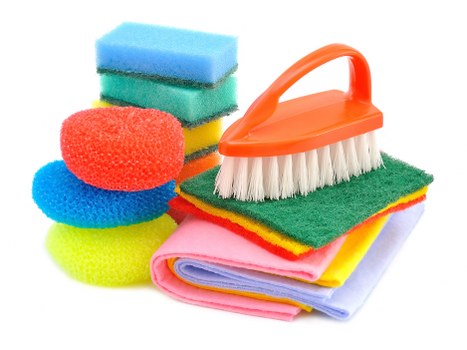
Stain removal in upholstery and carpets requires patience because these materials absorb liquid quickly. The faster you treat a spill, the easier it is to prevent permanent damage. Start by blotting with a dry cloth, working from the outside of the stain toward the center to avoid spreading it further. Avoid over-wetting the material, since excess moisture can cause mildew or odors.
Carpet stains from coffee, pet accidents, mud, or juice may need a specialized carpet cleaner or a diluted cleaning solution. Upholstery cleaning should be done carefully because some fabrics fade or shrink when exposed to the wrong product. Stain removal in soft furnishings is often a balancing act between thorough cleaning and fabric preservation.
For large or deep-set stains, professional help may be the best choice. Still, many common marks can be managed at home with the right technique. The main principle is to act early, use minimal moisture, and test cleaning products on a hidden area first. This approach supports better stain removal in carpets, cushions, curtains, and sofas.
Step-by-Step Stain Removal in Most Situations
If you want a practical process that works across many stain types, follow these steps:
- Identify the stain and the material affected.
- Blot excess liquid or lift away solids without rubbing.
- Check the care label or surface instructions.
- Test the cleaner on a hidden area first.
- Apply the treatment and allow it to work for the recommended time.
- Rinse or wash properly to remove residue.
- Inspect before drying because heat can set leftover stains.
This process improves stain removal in both household and commercial environments because it reduces guesswork. When people skip steps, they often lock the stain in place or cause further damage. Following a repeatable method creates better results and more confidence.
Important: never place a stained garment in a hot dryer until you are sure the stain is gone. Heat is one of the biggest reasons stain removal in laundry fails. If the mark remains, repeat the treatment before drying.
Safe Products and Natural Solutions for Stain Removal in the Home
There are many effective products available for stain removal in households, but not every cleaner is necessary for every stain. Mild liquid detergent, oxygen-based bleach, white vinegar, baking soda, hydrogen peroxide, and dish soap can all be useful when used correctly. The best choice depends on the stain and the surface.
Natural solutions can be helpful, but they are not universal. Vinegar works well on some stains and odors, but it should not be used on stone surfaces like marble or granite because it can etch the finish. Baking soda may help with odors and light abrasion, while dish soap is often useful for grease. Stain removal in a safe manner means matching the product to the problem.
Always be cautious with colored or delicate fabrics. Even natural ingredients can affect dye or texture. In stain removal in sensitive materials, a gentle cleaner and short treatment time are better than a stronger product that risks damage. When in doubt, choose the mildest method first and increase strength only if necessary.
How to Prevent Stains Before They Happen
Prevention is an underrated part of stain removal in any setting. While it is impossible to avoid every spill, smart habits can reduce the frequency and severity of stains. Use placemats, coasters, tablecloth protectors, and fabric sprays where appropriate. Keep stain pens or mild cleaning wipes nearby for quick action.
Here are a few useful prevention habits:
- Blot spills immediately instead of waiting
- Store cleaning supplies in easy-to-reach places
- Avoid overcrowding washing machines so stains rinse properly
- Treat collars, cuffs, and food-prone areas before laundering
- Use washable covers on high-traffic furniture
These habits make stain removal in the future much easier. Prevention does not eliminate the need for cleaning, but it reduces the risk of permanent marks and keeps fabrics looking newer for longer.
When Professional Stain Removal in Services Makes Sense
Sometimes home cleaning is not enough. Deep dye transfer, old grease, large carpet spills, and stains on delicate textiles may need expert attention. Professional stain removal in specialized settings often uses advanced equipment and targeted treatments that are not available in standard household products.
Professional cleaning is particularly valuable when the item is expensive, sentimental, or difficult to replace. Wedding attire, upholstered antiques, designer clothing, and specialty rugs can all benefit from expert care. In these situations, the cost of proper stain removal in a professional environment may be far less than the cost of replacement.
Book your service now if the stain is severe, widespread, or has already been treated unsuccessfully at home. A timely decision can prevent worsening damage and improve the odds of successful restoration.
Myths About Stain Removal in Everyday Cleaning
Many stain removal myths continue to circulate, and believing them can lead to frustration. One common myth is that hot water always cleans better. In reality, hot water can set protein stains and some dyes. Another myth is that more detergent automatically means better results; in fact, too much detergent can leave residue and attract dirt.
People also assume all stains can be removed with one universal product. That is rarely true. Stain removal in practical situations requires an understanding of chemistry, fabric type, and stain age. A product that works perfectly on one spill may fail on another.
Another misleading idea is that scrubbing harder will always help. This is often the opposite of what you want. Gentle, patient treatment usually protects the surface while allowing cleaners time to work. Better stain removal in the long run comes from method, not force.
Building a Stain Removal in Routine That Works
A useful stain removal in routine does not need to be complicated. The most effective systems are simple, repeatable, and easy to follow during busy days. Keep a small cleaning kit in the kitchen, laundry area, and near fabric-heavy spaces. Include microfiber cloths, mild detergent, an absorbent powder, and a trusted stain treatment product.
It also helps to sort stains by urgency. Fresh spills should be handled immediately, while older stains may need soaking or repeated treatment. By creating a small habit of inspection before washing, you can catch problem areas early and improve your outcomes. This is one of the best ways to make stain removal in laundry more successful.
Consistency matters. When stain removal in your home becomes a regular practice instead of a stressful emergency, you save time, money, and frustration. Clean items last longer, surfaces stay attractive, and maintenance becomes much easier overall.
Stain Removal in Different Surfaces: What to Remember
Although clothing gets most of the attention, stain removal in other surfaces is just as important. Wood, tile, stone, glass, plastic, metal, and painted finishes each have their own needs. Use non-abrasive cloths for delicate finishes, and never assume a cleaner safe for one surface is safe for another.
For example, sticky residues on glass may respond to vinegar-based cleaning, while stone countertops need pH-neutral products. Paint and wood may require a damp cloth and mild soap rather than a strong solvent. Stain removal in mixed-material spaces is best handled with a cautious, surface-specific mindset.
When a spill happens, remember the order of operations: absorb, identify, test, treat, and inspect. That sequence supports better results across multiple surfaces and helps avoid accidental damage.
Final Thoughts on Effective Stain Removal in Daily Life
Successful stain removal in any home, office, or shared environment depends on three things: speed, knowledge, and care. If you understand the stain type, use the right product, and avoid common mistakes, you can handle far more spills than you might expect. The process does not have to be stressful or complicated.
From clothing and carpets to kitchen counters and upholstery, stain removal in everyday life becomes easier when you follow a smart, repeatable method. Quick action, gentle treatment, and the right product choice can preserve your belongings and keep your spaces looking clean and inviting.
If you are dealing with a stain that will not budge, do not wait until it becomes permanent. Contact us today to take the next step, or Book your service now if you want a professional solution that protects your items and restores their appearance.
Stain removal in daily cleaning is not just about appearance; it is about preserving the value and life of the things you use every day. With the right habits, products, and timing, even stubborn marks can often be managed successfully.