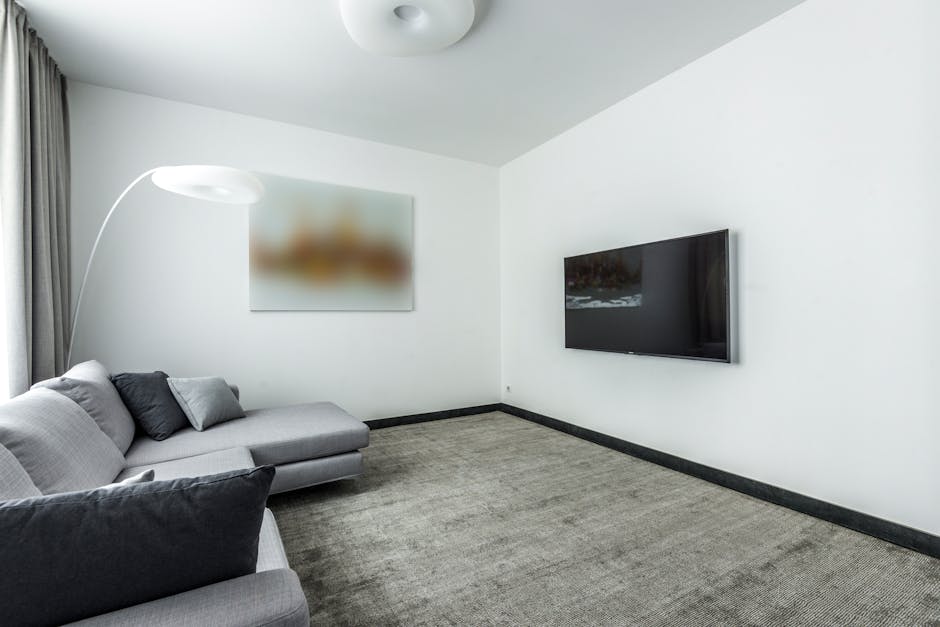
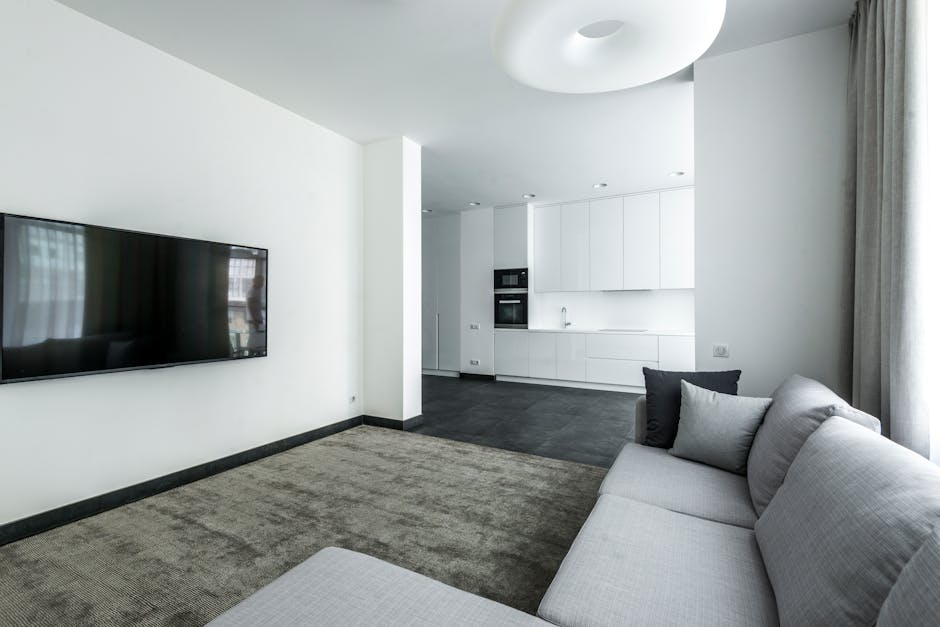
Pimlico flat carpet cleaning tips for SW1 residents
If you live in Pimlico, you already know flats can be lovely and awkward at the same time. Narrow hallways, busy shared entrances, light-coloured carpets that show every little mark, and the usual London mix of rain, dust, and day-to-day foot traffic. That is exactly why Pimlico flat carpet cleaning tips for SW1 residents are worth getting right. The aim is not just to make the carpet look better for an afternoon. It is to keep fibres fresher for longer, reduce lingering smells, and avoid the classic mistake of making a small stain much bigger by over-wetting it. A bit of know-how goes a long way.
This guide walks you through what matters in a Pimlico flat, how carpet cleaning actually works, what to do before you start, and when it makes sense to bring in a professional. It is practical, local, and written for real homes, not showroom fantasy.
Contents
- Why carpet cleaning matters in Pimlico flats
- How carpet cleaning works in SW1 flats
- Key benefits and practical advantages
- Who this is for and when it makes sense
- Step-by-step guidance
- Expert tips for better results
- Common mistakes to avoid
- Tools, resources and recommendations
- Law, compliance, standards, and best practice
- Options, methods, and comparison table
- Case study or real-world example
- Practical checklist
- Conclusion
- Frequently asked questions
Why Pimlico flat carpet cleaning tips for SW1 residents Matters
Pimlico homes often have a few things in common: compact rooms, mixed-use hallways, older flooring in some buildings, and carpets that do more than one job. A lounge carpet may also be a home office floor. A hallway runner may catch wet shoes three times a day. A bedroom carpet might seem low-traffic until you notice how quickly dust, pet hair, and fluff collect along the edges.
That is why broad, generic advice can fall short. In a flat, you need cleaning habits that fit the space. You also need to think about neighbours, ventilation, drying time, and access. Truth be told, the best carpet care in SW1 is often about preventing problems rather than scrubbing them after they have settled in.
There is another angle too. In rental flats, carpets can affect deposit disputes, handover impressions, and how quickly a place feels properly lived-in again. Even in owner-occupied homes, clean carpets help the whole flat feel brighter. You notice it when you walk in. The room sounds a little quieter, smells cleaner, and somehow feels less tired.
For residents comparing a quick DIY tidy-up with a deeper clean, the main question is simple: what level of cleanliness do you actually need, and how much disruption can your flat handle? That is the real Pimlico question, not just "how do I remove a stain?"
How Pimlico flat carpet cleaning tips for SW1 residents Works
Carpet cleaning is a mix of soil removal, fibre care, and moisture control. Once you understand those three things, the job feels less mysterious. Most carpet dirt is not sitting on top in a dramatic pile. It lives in the fibres, in the backing, and along the traffic lanes where shoes keep passing. The cleaning method you choose should loosen that dirt without damaging the pile or soaking the underlay.
In flats, the process usually starts with dry soil removal. That means thorough vacuuming, ideally slow and methodical. Then comes stain treatment where needed. After that, depending on the carpet type and condition, you might use hot water extraction, low-moisture cleaning, or targeted spot treatment. The important part is matching method to material. Wool, synthetic blends, loop pile, and older carpets all behave differently. Not a huge surprise, but still worth saying.
If you are booking a professional service, the cleaner will usually assess fibre type, stain risk, access, and drying conditions before choosing the approach. You can read more about the broader service on the company's carpet cleaning page, and if steam is the right fit for your carpet construction, the steam carpet cleaning option is a useful comparison point. Just remember that "steam" is a common phrase; in practice, many systems use hot water extraction rather than pure steam.
The drying stage matters more than most people think. In a flat, especially one with limited airflow or a north-facing room, a carpet can stay damp longer than expected. That can leave a stale smell, cause wicking, or make stains reappear at the surface. So, yes, cleaning is about getting dirt out. But it is also about getting moisture back out again.
Key Benefits and Practical Advantages
Clean carpets do more than look pleasant. The benefits tend to show up in small, everyday ways that are easy to overlook until they are missing.
- Better first impressions: A clean hallway or living room makes the whole flat feel more cared for.
- Less trapped dust and debris: Regular cleaning helps reduce the gritty feel that builds up in traffic areas.
- Improved stain control: Fresh spills are easier to manage before they settle deep into the pile.
- Odour reduction: Spills, damp shoes, cooking smells, and pet traffic can all linger in textiles.
- Longer carpet life: Dirt acts a bit like sandpaper over time. Remove it, and the fibres last longer.
- Better everyday comfort: A fresher carpet underfoot just feels nicer. Simple as that.
There is also the practical matter of budgeting. A sensible cleaning routine often delays replacement, which is no small thing in a London flat where fitting out a room again can be expensive and disruptive. Even if you only tackle the worst lanes and stains, you are still protecting the overall condition of the carpet.
For households with more than one textile surface needing care, it can be efficient to group tasks together. If the sofa, rug, or curtains are also looking tired, it may be worth considering related services such as sofa cleaning, rug cleaning, or curtain cleaning. The room often benefits as a whole when the main soft furnishings are treated together.
Who This Is For and When It Makes Sense
These tips are most useful if you live in a Pimlico flat and want to keep carpets in decent shape without turning your weekend into a cleaning marathon. That includes:
- tenants preparing for a routine inspection or end-of-tenancy handover
- owner-occupiers dealing with traffic marks in hallways or lounges
- busy professionals who need fast, practical maintenance between deeper cleans
- households with children, pets, or a lot of visitors
- landlords and property managers who want a reliable refresh between occupiers
It also makes sense if you notice one of the following:
- the carpet looks dull even after vacuuming
- there is a noticeable smell after rain, spills, or pet accidents
- high-traffic areas appear darker than the rest of the room
- a stain keeps coming back after drying
- you are trying to protect a newer carpet before it becomes worn in
One thing people sometimes forget: the best cleaning plan is not always the most aggressive one. If the carpet is delicate, wool-rich, or already a bit fragile, gentler treatment may be the smarter move. When in doubt, a cautious approach is often the most professional one. A little restraint saves a lot of grief later.
Step-by-Step Guidance
If you want a simple, workable process, follow this order. It sounds obvious, but plenty of people jump straight to a stain spray and wonder why the result is patchy.
- Identify the carpet type. Check whether it is wool, synthetic, or a blend. If you cannot tell, treat it conservatively.
- Vacuum thoroughly. Go slowly, especially along skirting boards, under radiators, and in corners where dust loves to sit.
- Test any product first. Use a hidden patch near a wardrobe or behind furniture. Let it dry before deciding it is safe.
- Treat stains from the outside in. Blot gently. Do not scrub like you are trying to sand the thing away.
- Use minimal moisture. A flat carpet should be damp, not drenched. Over-wetting is a classic mistake.
- Work in sections. This keeps the room manageable and stops you losing track of what has already been cleaned.
- Lift the pile if needed. A clean towel or carpet brush can help fibres stand up again after spot cleaning.
- Speed up drying. Open windows where possible, use fans if you have them, and avoid heavy foot traffic until fully dry.
If you are dealing with something stubborn, like a deep food spill or a pet accident, use a proper stain-removal approach rather than adding random products one after another. Mixing methods can make the stain harder to remove, and sometimes it locks in a smell. For those trickier situations, the dedicated stain removal service is a more focused option, and for animal-related issues, pet stain odour removal is the more suitable route.
There is also a simple truth here: if you cannot get the stain moving after a careful first attempt, stop. Give the area time, reassess, and avoid turning a localised issue into a larger pale patch. That happens more often than people admit.
Expert Tips for Better Results
These are the kinds of practical details that make a noticeable difference in flats, especially where space is tight and drying conditions are not ideal.
- Vacuum before you spot clean. Loose grit can act like fine abrasive dust once it gets wet.
- Use a white cloth, not a coloured one. It helps you see what is actually lifting and avoids dye transfer.
- Blot, pause, then blot again. A patient rhythm works better than frantic rubbing. Honestly, carpet cleaning is a bit of a slow dance.
- Watch the edges of cleaned areas. Hard rings often appear where moisture dries unevenly.
- Keep doors open where safe to do so. Cross-ventilation is a big help in a flat.
- Move small furniture with care. Use protective pads and avoid dragging legs across damp fibres.
- Clean traffic lanes more often than the rest. Hallways and living-room paths need extra attention.
If your carpet is part of a larger upholstery-heavy room, treat the soft surfaces as one system. A sofa can shed dust, crumbs, and skin debris into the carpet below, while curtains can hold onto fine particles that float back down. That is why pairing carpet care with upholstery cleaning can be more effective than cleaning the floor alone.
Another useful tip: think about timing. Mid-morning on a dry day is often better than late evening, because you have more natural drying time ahead of you. In winter, or during a grey London stretch when the windows stay shut, you may need to plan more carefully. A half-dry carpet left overnight is not a triumph.
Common Mistakes to Avoid
The most common carpet-cleaning mistakes in SW1 are not dramatic. They are small, repetitive, and very human. That is exactly why they keep happening.
- Scrubbing too hard: This can fray fibres and spread stains deeper into the pile.
- Using too much water: It slows drying and can cause odour or tide marks.
- Skipping the vacuum: Dirt becomes muddy once it is mixed with cleaning solution.
- Trying every product at once: More chemicals is not more cleaning. Usually it is just more mess.
- Leaving furniture on damp carpet: This can create marks or trap moisture underneath.
- Ignoring the backing and underlay risk: Surface dryness does not always mean the carpet is dry through the full depth.
Another mistake is assuming a stain is gone when it disappears while wet. Some marks, especially organic spills, can reappear after drying because residue rises back up through the fibres. If that happens, do not panic. It is annoying, yes, but it is also common enough that professionals expect it. The right response is a second careful pass, not a desperate chemical pile-on.
And if a carpet smells musty after cleaning, the problem is often moisture management, not soap. Airflow and drying time matter. A lot.
Tools, Resources and Recommendations
You do not need a van full of equipment to keep a flat carpet in decent shape. A thoughtful small kit often beats a cupboard full of half-used bottles.
| Tool or product | What it is good for | Practical note |
|---|---|---|
| Upright vacuum with decent suction | Routine dust and grit removal | Slow passes matter more than speed |
| Microfibre cloths | Blotting spills and lifting surface residue | Use clean cloths, not the one you found at the back of the drawer |
| Soft carpet brush | Reviving flattened fibres after spot cleaning | Gentle pressure only |
| Carpet-safe spot cleaner | Targeted stain treatment | Always test first in a hidden area |
| Fan or good ventilation | Faster drying and less odour risk | Especially useful in smaller flats |
For people who want to understand service choices rather than buy more kit, a good place to start is the pricing and quotes information. It helps set expectations before you commit. If you are comparing service quality and want to understand the business behind the work, the about us page is also worth a look.
And if you prefer to check practical policies before booking, especially around peace of mind, the company's insurance and safety information and health and safety policy are the sensible pages to review. Not glamorous reading, I know, but useful.
Law, Compliance, Standards, or Best Practice
For SW1 residents, carpet cleaning is usually a practical household matter rather than a heavily regulated activity. Still, good practice matters. If you live in a rental property, you should check your tenancy agreement, inventory notes, and any cleaning expectations agreed with the landlord or managing agent. Those documents often matter more than assumptions.
It is also sensible to use products and methods according to manufacturer guidance where available. Carpet fibres, especially in older Pimlico flats, may not be identical across the whole home. One room can be newer, another room can be decades old. Quite normal, really. But it means a one-size-fits-all approach is risky.
For properties with shared access, respect common areas when carrying equipment or airing carpets. Avoid blocking hallways, and keep walkways clear. In a block with neighbours close by, little details like drying near a shared entrance or leaving items in a communal corridor can create friction fast. Best practice is usually just being considerate and tidy.
If you book a professional cleaner, you should reasonably expect clear terms, transparent payment information, and a straightforward complaints route if something goes wrong. The linked terms and conditions, payment and security, and complaints procedure pages help set those expectations. That sort of clarity builds trust, and honestly, it should be standard.
There is also a sustainability angle for many households. If you care about waste, water use, and the environmental impact of repeated replacement, choosing cleaning over replacement can be the more responsible option. The company's recycling and sustainability information is relevant here.
Options, Methods, or Comparison Table
Different carpet-cleaning approaches suit different situations. This quick comparison should help you decide what feels realistic for your flat.
| Method | Best for | Pros | Watch-outs |
|---|---|---|---|
| Routine vacuuming | Everyday upkeep | Fast, low-cost, protects carpet life | Won't remove deep stains or odours |
| DIY spot cleaning | Fresh spills and small marks | Convenient, immediate, cheap | Easy to over-wet or spread the stain |
| Low-moisture cleaning | Flats needing quicker drying | Less downtime, useful in compact spaces | May not suit every fibre or heavy soil level |
| Hot water extraction | Deeper refresh and embedded dirt | Strong cleaning power, effective on traffic areas | Needs careful drying management |
| Professional stain or odour treatment | Persistent stains, pet issues, and delicate carpets | More targeted and safer for tricky cases | Usually best when specialist judgment is needed |
For most Pimlico flats, a mix of routine vacuuming, careful spot treatment, and the occasional deeper clean is the sweet spot. You do not need to overcomplicate it. The best method is the one that fits the carpet and the day you have available.
Case Study or Real-World Example
Take a typical SW1 flat: two bedrooms, a small hallway, and a living room that sees most of the traffic. The hallway carpet has become dull near the front door, one living-room patch has a faint coffee mark, and the bedroom feels fine until you open the curtains and notice the floor looks flat and dusty.
The owner starts with a proper vacuum, paying attention to the edges and under the console table. Then they treat the coffee mark lightly rather than soaking it. The hallway gets a more careful pass because that is where most of the grit sits. After that, a fan and open windows do the unglamorous part of the job.
The result is not miracle-level. The carpet is not brand new. But it is brighter, smells cleaner, and the traffic lane no longer draws the eye immediately. That is often the real goal in a flat. Not perfection. Just a noticeable reset.
Later, the resident realises the sofa cushions and rug are collecting dust too, so they plan a broader refresh rather than waiting for things to become visibly bad. Sensible. And a little boring, maybe, but that is usually how good maintenance works.
Practical Checklist
Use this before and after any carpet clean in a Pimlico flat.
- Vacuum slowly and thoroughly
- Check fibre type before using any product
- Test cleaners in a hidden spot
- Blot spills instead of scrubbing
- Use minimal moisture
- Ventilate the flat as much as practical
- Keep furniture off damp carpet
- Recheck the stain after drying
- Treat traffic lanes more often than low-use areas
- Consider professional help for persistent odours or delicate fibres
Key takeaway: in a SW1 flat, carpet cleaning works best when it is controlled, patient, and suited to the space. Good vacuuming, careful stain treatment, and proper drying matter more than aggressive products or rushed scrubbing.
Get a free quote today and see how much you can save.
Conclusion
Pimlico flat carpet cleaning tips for SW1 residents are really about balance. Enough effort to keep carpets fresh, but not so much that you create dampness, damage, or unnecessary stress. If you remember only three things, make them these: vacuum properly, treat stains gently, and give the carpet time to dry.
For many households, that is enough to keep the flat feeling welcoming. For others, especially with pets, rental pressure, or heavily used rooms, a deeper professional clean can be the smarter call. There is no prize for doing everything the hard way.
And if you are still standing in the hallway wondering whether that mark is worth tackling now or later, fair enough. Start small, stay calm, and work methodically. That usually gets you further than panic ever will.
Clean carpets make a flat feel looked after. In a place like Pimlico, that little feeling goes a long way.
Frequently Asked Questions
How often should carpet be cleaned in a Pimlico flat?
It depends on traffic, pets, and lifestyle, but most flats benefit from regular vacuuming and a deeper clean when the carpet starts to look dull, feel sticky, or hold odours. Hallways usually need attention more often than bedrooms.
Is steam cleaning safe for all carpets?
No, not automatically. Steam-style cleaning can work well on many carpets, but fibre type, backing, and the carpet's age all matter. Delicate or wool-rich carpets may need a more cautious approach.
Why do stains sometimes come back after cleaning?
That usually happens because residue from deeper in the fibres rises as the carpet dries. It is frustrating, but common. A careful second treatment and better drying often help.
What is the best way to clean a hallway carpet in a flat?
Start with a slow vacuum, then target the worn traffic lanes with gentle spot treatment if needed. Hallways collect gritty soil quickly, so frequent light maintenance is often better than occasional heavy cleaning.
Can I clean carpet in a flat without making it smell damp?
Yes, if you avoid over-wetting and dry it properly. Good airflow, small amounts of product, and not walking on it too soon all help prevent that damp smell people dread.
Should I move furniture before cleaning the carpet?
If it is safe and practical, yes. Even moving light items helps you clean under and around furniture edges. Just avoid dragging heavy legs across damp carpet afterwards.
What should tenants in SW1 check before carpet cleaning?
Check your tenancy agreement and inventory notes. Some landlords expect carpets to be professionally cleaned at the end of a tenancy, while others focus on condition rather than a specific method.
How do I remove pet smells from carpet in a flat?
Pet odours usually need more than surface cleaning because the smell can sit in the fibres and backing. A focused treatment is often better than a general clean, especially for recurring accidents.
Is DIY carpet cleaning cheaper than hiring a professional?
Usually yes in direct cash terms, but DIY can be false economy if you use too much water, damage the pile, or fail to remove the stain properly. For delicate or heavily marked carpets, professional help can be better value.
What is the biggest mistake people make with carpet cleaning?
Over-wetting. It causes slow drying, can lead to marks returning, and sometimes creates odour problems. The second biggest mistake is scrubbing too hard.
Can carpet cleaning help with allergies?
It can reduce dust and trapped debris, which may help create a fresher-feeling room. It is not a medical treatment, of course, but cleaner carpets usually mean less settled grime in the home.
When should I book a professional carpet cleaner instead of doing it myself?
If the carpet is delicate, the stain is stubborn, the odour keeps returning, or you need a reliable result before a move-out or inspection, professional cleaning makes more sense. Sometimes the best DIY move is knowing when to stop.
What related services are useful if my whole room feels tired?
If the carpet is not the only thing looking tired, consider a broader textile refresh. Services like sofa cleaning, upholstery cleaning, and rug cleaning can make the room feel much more balanced.